
i-FM Brands Survey Report 2025

Welcome to the 2025 FM Brands Survey report
Let me first state that I find the i-FM brand survey absolutely fascinating, not because it's the only one of its kind in the sector - but because I feel that getting to the heart of brand recognition is crucial to the advancement of FM and its growth overall. It is important to evaluate this, as it is an area that can make all the difference to visibility, profitability, viability – as well as ensuring that we attract the talent we need to make the sector sustainable, and of course entice customers in and retain them, too. Its unfortunate that not all boardrooms understand how business-critical it really is.
Buying a brand or buying into a brand is often quite different for a service as compared to a product. The services that FM offers and how they are delivered are extremely diverse, often in subtle ways, and they are constantly expanding and evolving, using new technologies to enhance them and make them more cost-effective and efficient – so differentiating what you do and how you do it, and also for whom, can say so much about your business.
Brand is more than a logo. It is much more and needs to express the culture and values of an organisation for both internal and external audiences. More so today than ever before, as the younger generations have different requirements, expectations and values. Writing for i-FM recently, brand and design expert Myles Jensen described branding not as a logo, as many in the C-suite might think it is, not as the paint on your van - but as a system which should be intrinsically linked to the organisation’s DNA. It’s not the surface treatment; it is the backbone.
So, in 2025 how is FM doing on this? Does the sector overall have the recognition it deserves? Do the businesses within the sector understand the power of brand and actually buy into it? And of course which brands are the exemplary ones, the ones most admired, most enviable, most trusted and respected?
We have fine-tuned the questions again this year and made every effort to eliminate as much bias as possible and ensure there’s a level playing field. It is also worth comparing this year’s results to previous years, too. It’s instructive to see the brands that are on the rise or indeed slipping from survey to survey.
FM is a fiercely competitive marketplace; contracts are often short with low margins, and so it is my firm belief that whatever you do, you need to ensure you have some clearly defined USPs. Don’t rely on the premise that cheapest is best and you can always create some profitable add-ons along the way – procurement is wise to this approach.
If you are in marcomms, business development or account management, your brand can be the best tool in the box or indeed your biggest obstacle to success. However, brand is just one of many factors to consider when appraising a company. The list of others is quite long: sustainability commitments, social impact, efforts to enhance employee and customer experiences, investment in technology and training, and perhaps the awards it has been shortlisted for or, better still, won. In appraisal terms, this is often summarised as your ‘cultural fit’. Of course, successful brand management will be supportive in all these areas as they should be intertwined. A key purpose of a strong brand may be to get your company on a tender list; but we should not under-estimate its role elsewhere, such as in building relationships with business partners or suppliers and in the increasingly critical area of recruitment and retention strategies - get that wrong and you’ll inevitably pay more to get the people you want and need. A strong brand identity helps make you stand out and stay memorable, relevant and appealing; on the other hand, as Myles Jensen puts is, “a poor brand is expensive”.
As in previous years, we have invited a number of brand owners and brand experts to share their views and insights for added depth and value. I hope you find this year’s results as fascinating as I do.
David Emanuel, Managing Director, i-FM
Brand: what it means and how we use it
These surveys traditionally start with some scene-setting questions, a test of market sentiment around the concept of brand, some of the elements within that concept and general perceptions of implementation and performance.
For some years, the starting point has been views on a basic question: when procuring FM services is buying an established, well recognised brand important?
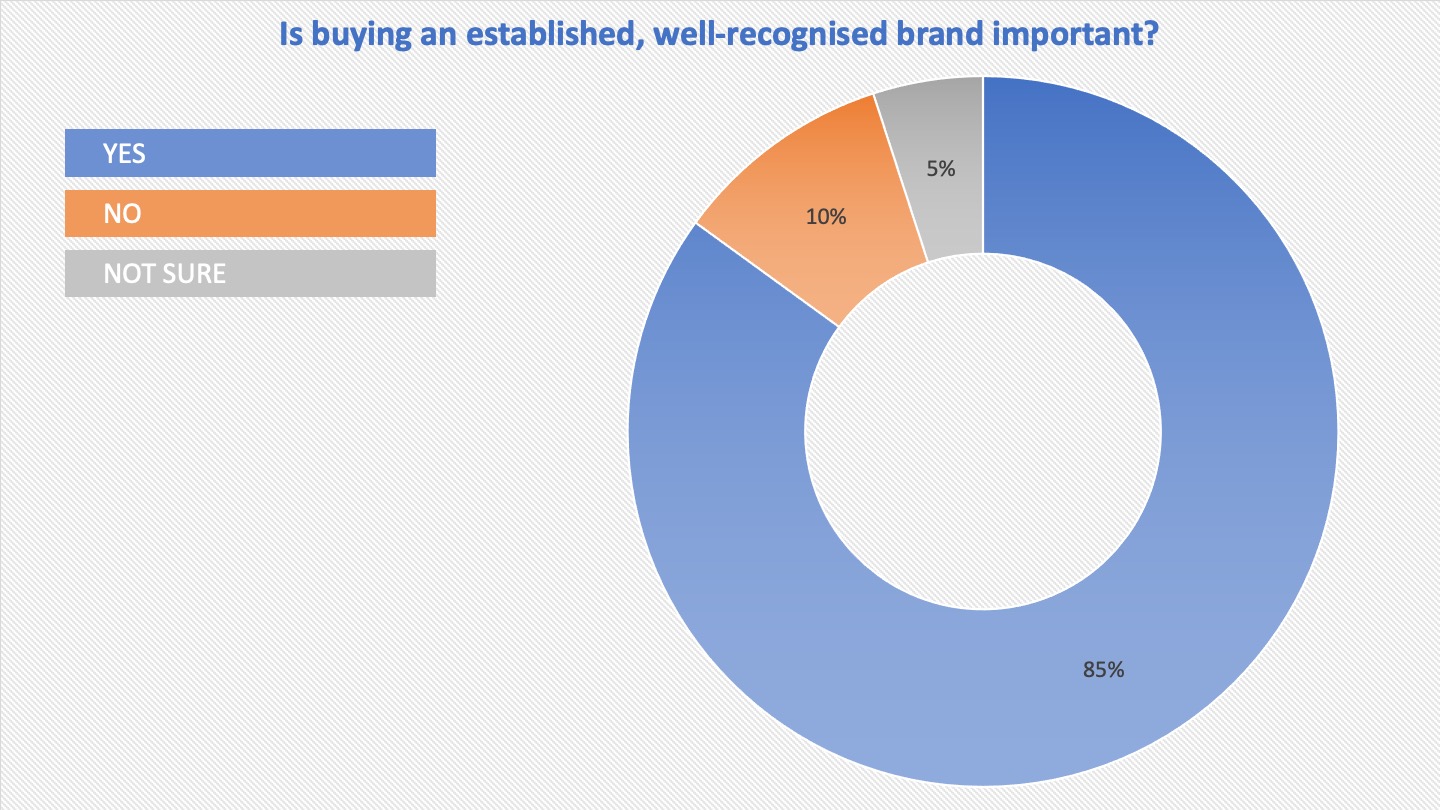
In 2025, over 85% of respondents said yes, it is important. That figure is up over 2024 (84%), which in turn was up over 2023 (80%). The rise is not monumental, but it continues the upward trend we have seen for some years. We suspect that reflects the UK FM market itself – one in which competition is stiff, putting a premium on differentiation, against a background of continuous M&A activity which serves (amongst other things) as a periodic reminder of what’s involved in building a company’s identity.
That question of identity – and brand – comes up regularly in the daily life of a business. Some would say it is a constant question; but at the very least it is a regular consideration in the marketing, selling and communication processes. In this context, how do our 1000+ respondents assess the factors that go into client decision-making?
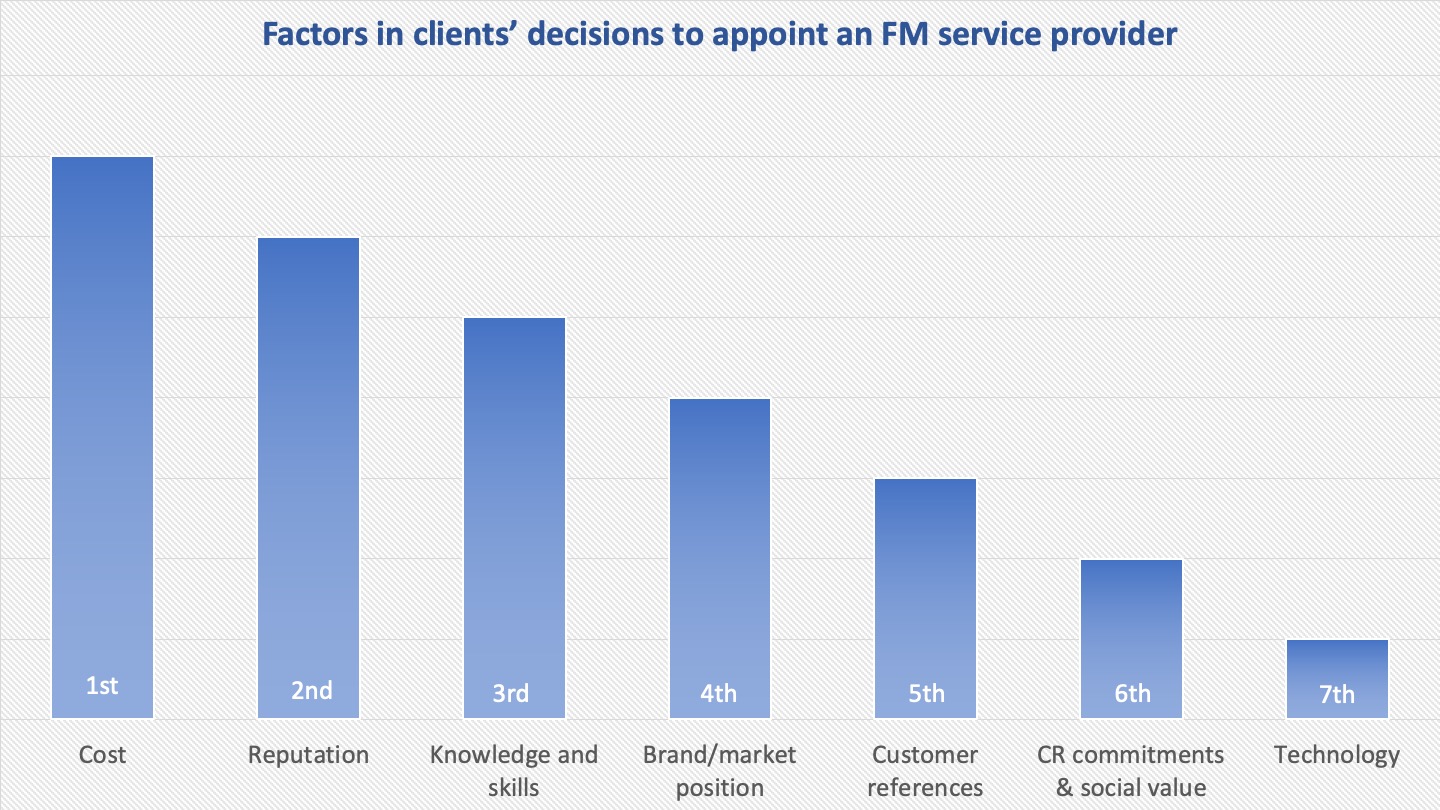
Brand appears here in fourth position. But we have argued in the past that all of the factors listed - with the exception of cost, which always comes top in this sort of question - are components in how a company is perceived and thus aspects of its brand presentation.
Brand in FM is about trust. It’s the promise made and the consistency with which it’s delivered. It’s shaped through everyday actions – how teams work, how customers are supported and how people are treated. OCS’s TRUE Values – Trust, Respect, Unity and Empowerment – were created to capture the behaviours that matter most. We made them visible and memorable by branding them prominently across the organisation, helping colleagues connect with them and bring them to life in their roles.
The OCS mission – to make people and places the best they can be – is simple, straightforward and purposeful by design. Alongside our values, it provides the foundation for how we work, how we grow and how we communicate. The strength of the overall brand is built from these foundations – and from the way they’re understood, lived and reflected throughout the organisation.
Brand building is never finished. It’s a continuous effort, and it’s only through consistent delivery – in every role, at every level – that we continue to earn the trust of our colleagues and customers.
Dan Barber, Group Chief Communications Officer, OCS

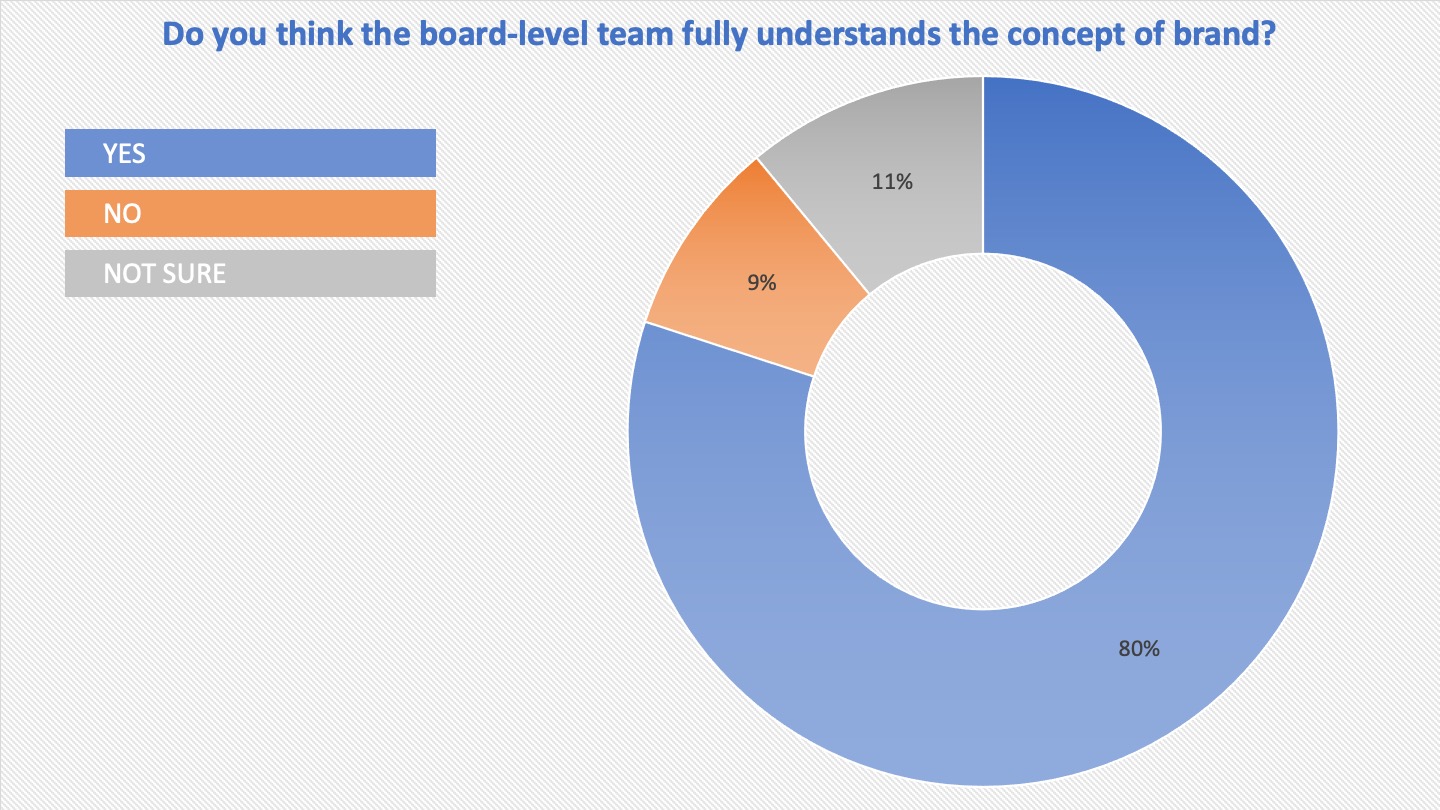
So if the concept of brand is so important, do FM practitioners think it is well understood in the industry? Clearly, our respondents are not fully convinced, with only just over half (54%) saying yes. Almost a third (30%) said no, while the remaining 16% were not sure. Some of the concerns underlying these mixed views emerged in subsequent questions.
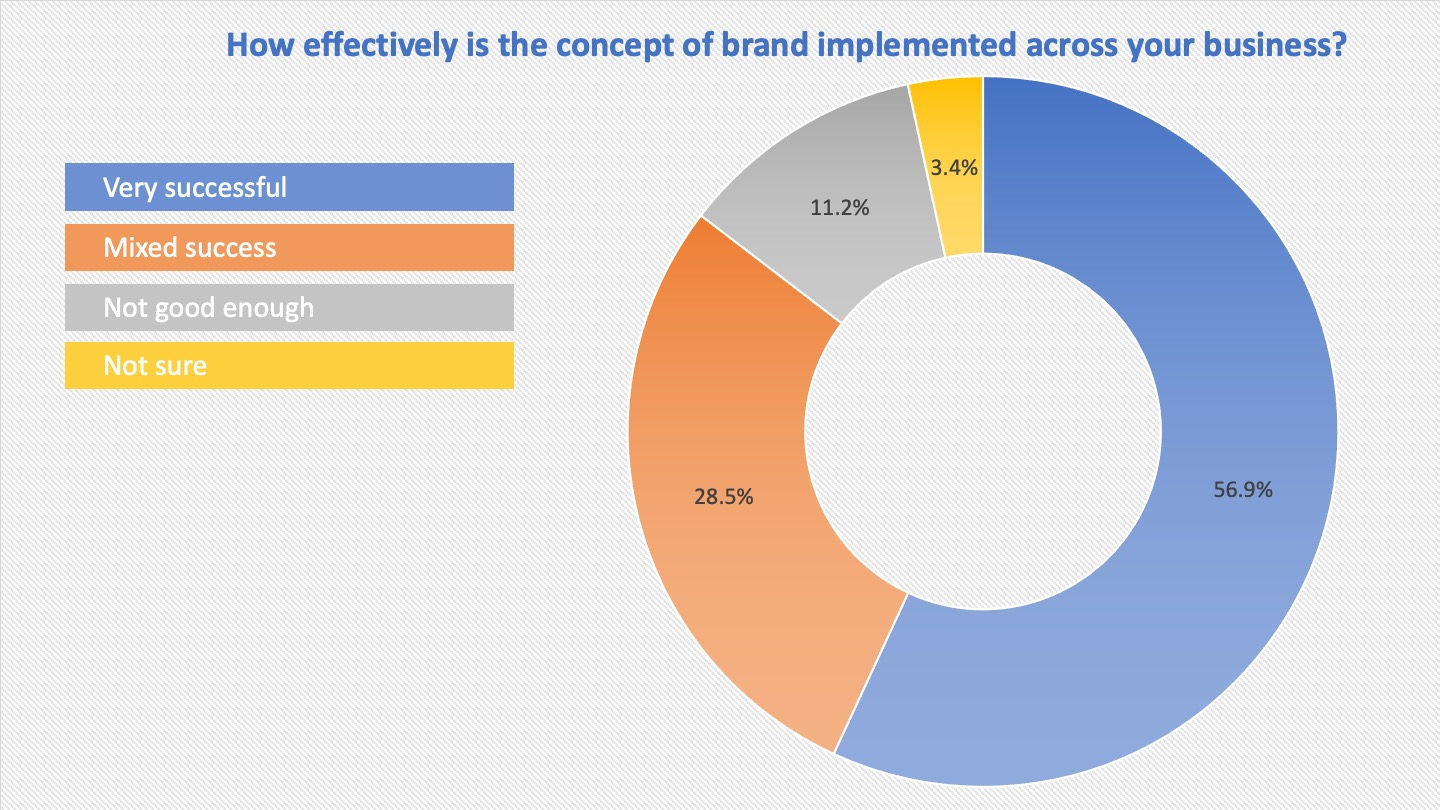
For example, when asked about the industry’s success at implementing the principles involved in the concept of brand there was considerable variation. Just over a quarter of the group (27%) described implementation as ‘very successful’, half (50%) labelled the results ‘mixed’ and 17% said ‘not good’.
The problem – to the extent there is one – does not seem to be a lack of board-level understanding.
There does appear to be, however, an issue of consistency in implementation.
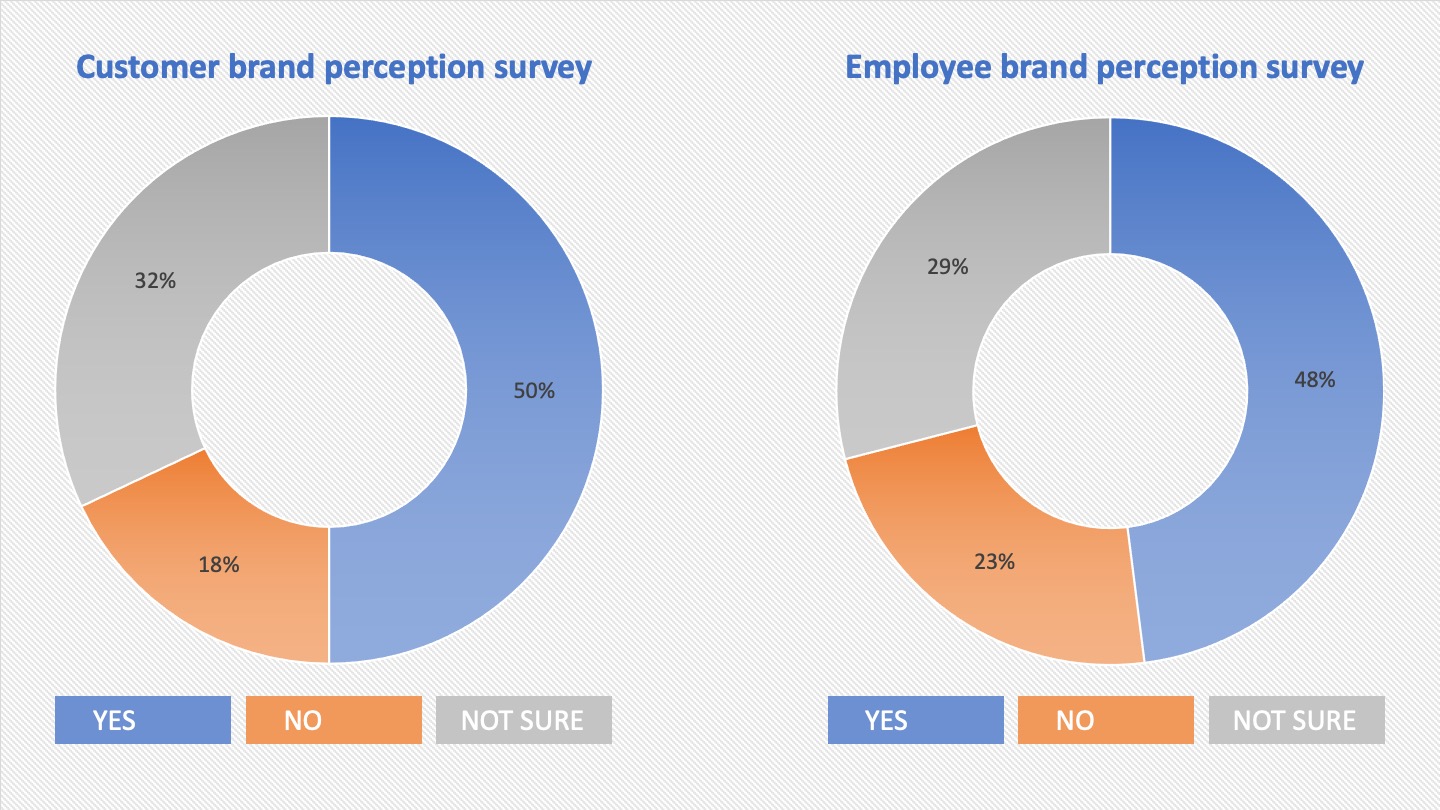
There may also be some limitations arising from a ‘taking it for granted’ attitude. How much market testing (internal and external) goes on is open to question. We asked whether there had been any brand perception surveys recently at respondents’ organisations.
As an industry, FM’s brand isn’t about logos or a tagline - it’s all about people, and always has been. At ISS, we’re leveraging that people-powered brand to deliver impact that matters - whether it’s helping our customers achieve their net zero goals with innovative solutions, creating pathways to meaningful careers for our 27,000 people across the UK & Ireland, or investing in the communities where we live and work through social value initiatives that fuel local economies.
Our brand is our promise to do more, to be more. Above all, it drives us to redefine facilities management as an industry with purpose - one that doesn’t just manage spaces but creates better futures for our customers, our colleagues and society at large. Ultimately, that’s how ISS will make space for people and businesses to thrive.”
David Melnick, Head of Content & Brand, ISS UK & Ireland

Brands in the marketplace
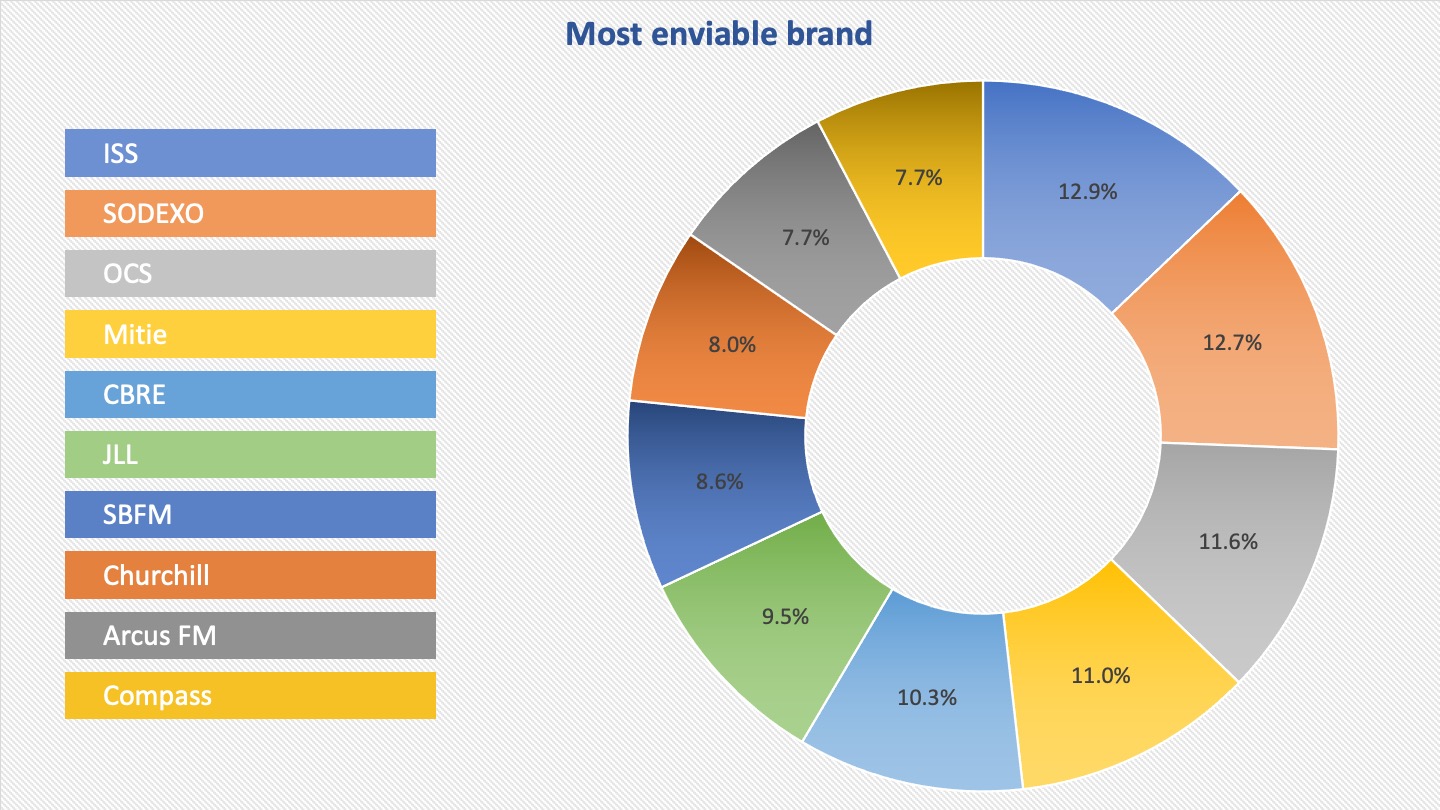
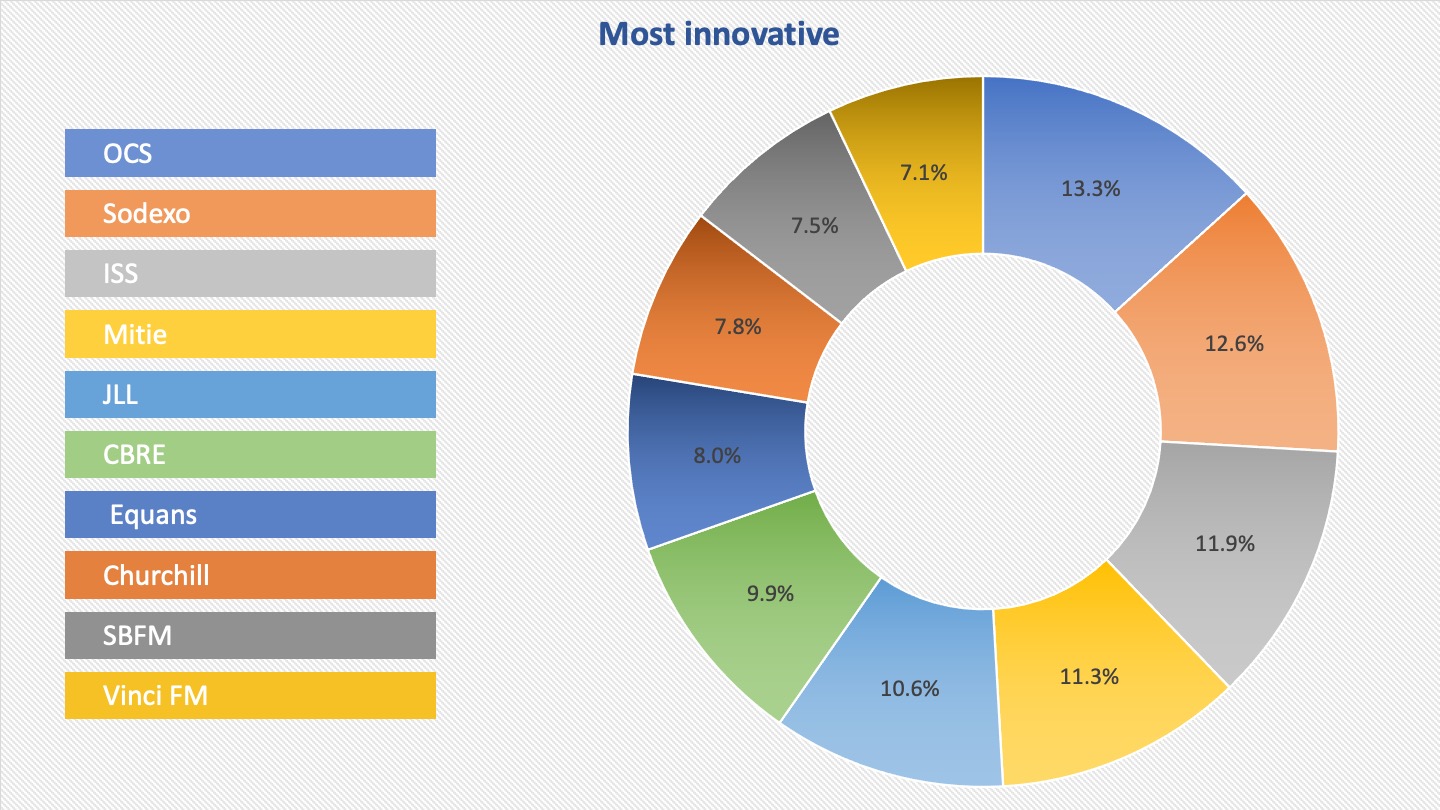
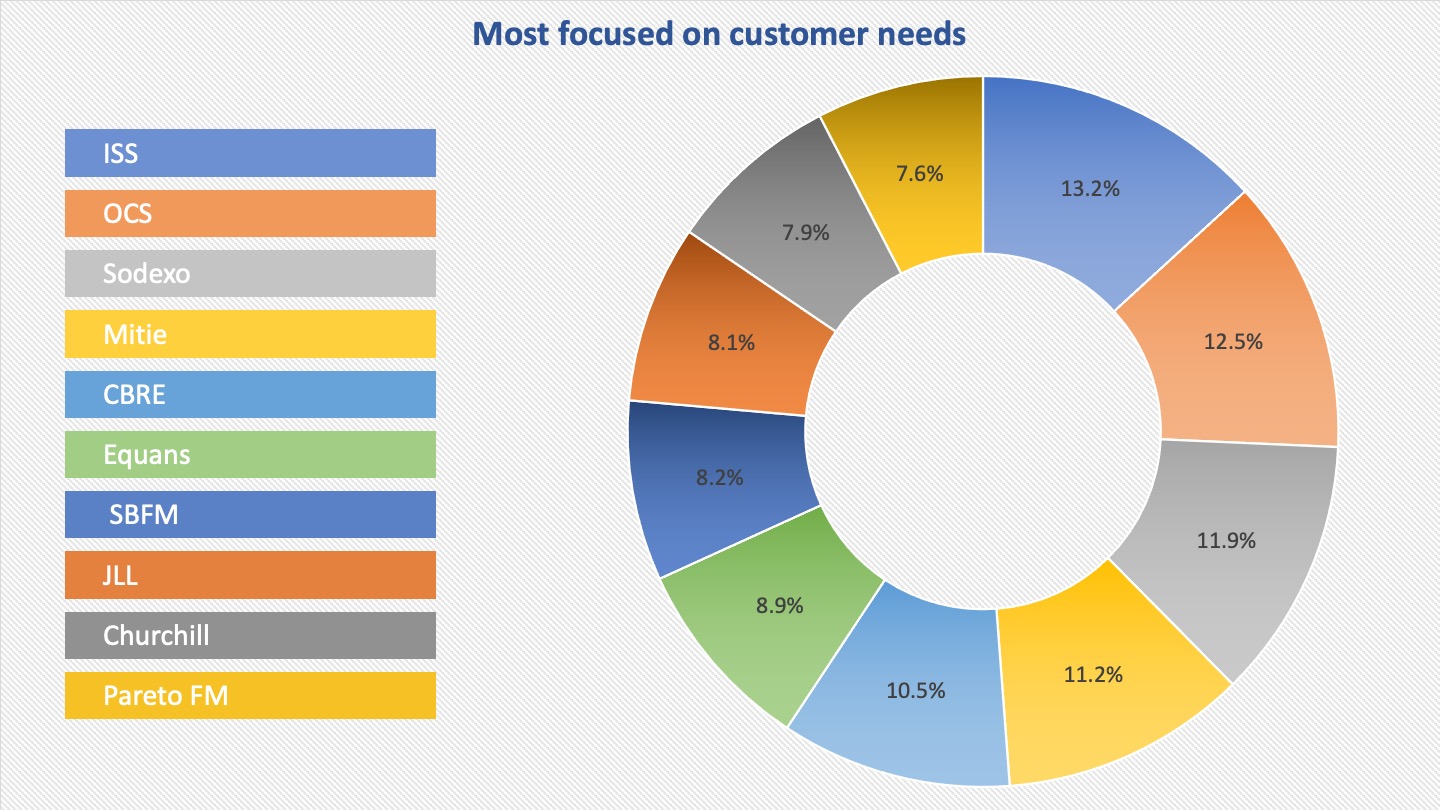
With an understanding of how important brand is in the FM marketplace, we move on to some of the key ways in which different brands are perceived. As always, many of the same names appear is these lists – not surprising as they tend to be the largest and/or most active in a commercial and/or communication sense. Nevertheless, there are some interesting trends here, amongst them a notably enhanced perception of OCS, the continued presence of the comparatively modest-sized SBFM and the declining presence of Vinci FM.
Each question below drew more than 20 proposed names, several considerably more than 20. Overall emerging from those is a list of ‘near misses’, companies cited multiple times but not quite enough to make it into the final lists. In 2025, these include in alphabetical order ABM, Amey, Anabas, Andron FM, Bellrock, City FM, Macro, NG Bailey, Q3 and Serco.
Which service provider do you think has the most enviable brand?
Which FM service provider do you think is currently the most innovative?
Which FM service provider do you think is most focused on customer needs?
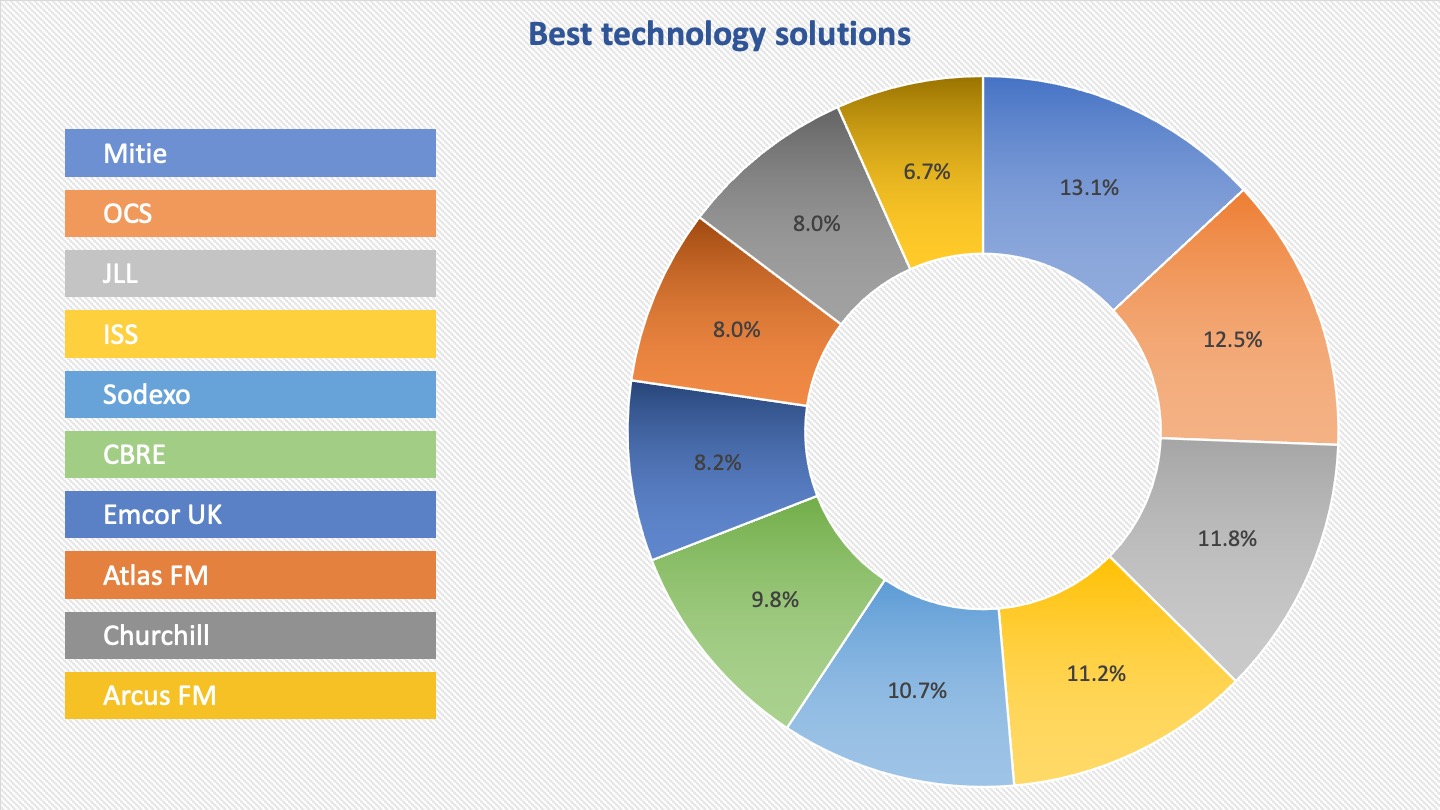
Which FM service provider do you think is offering the best technology solutions?
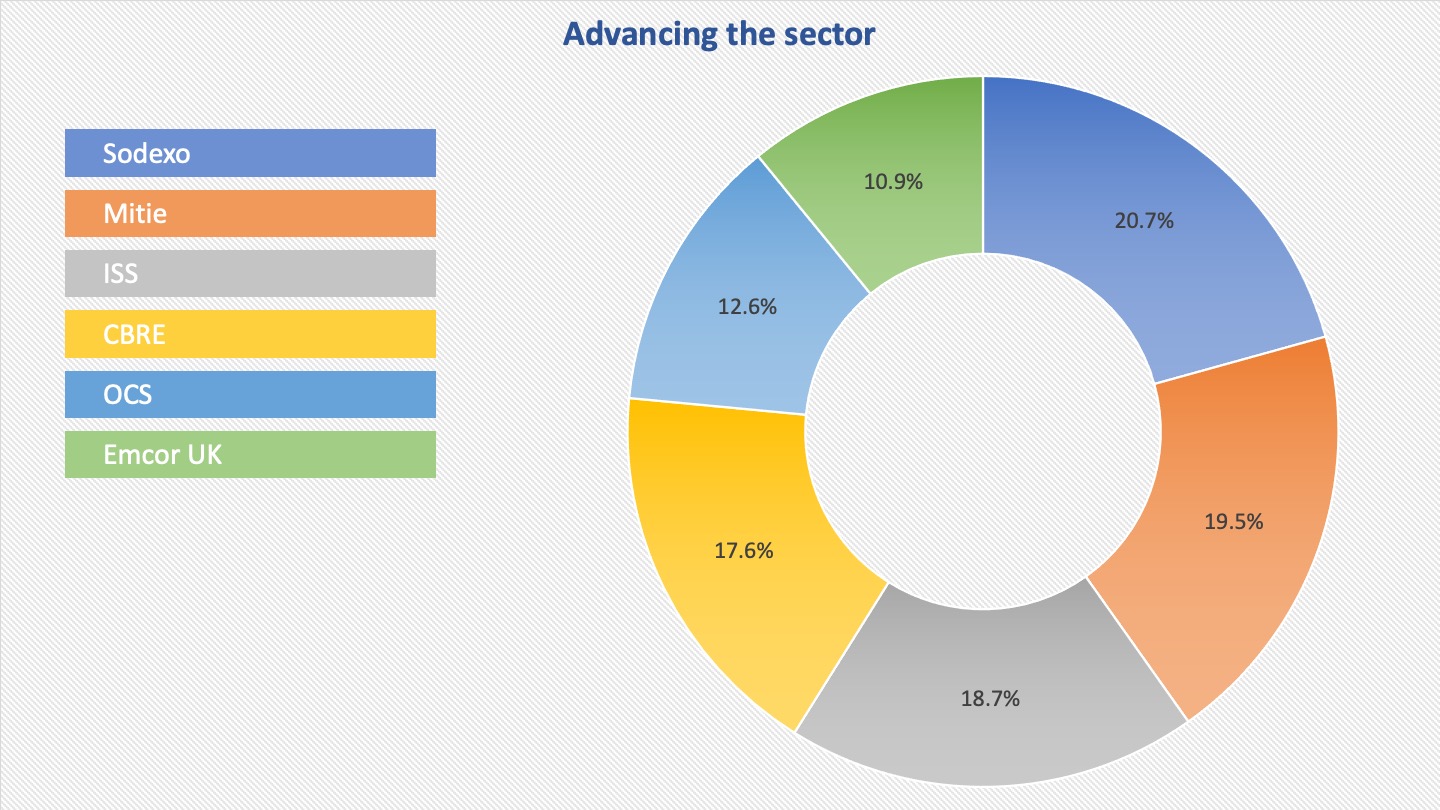
Which FM brand do you associate with advancing the sector?
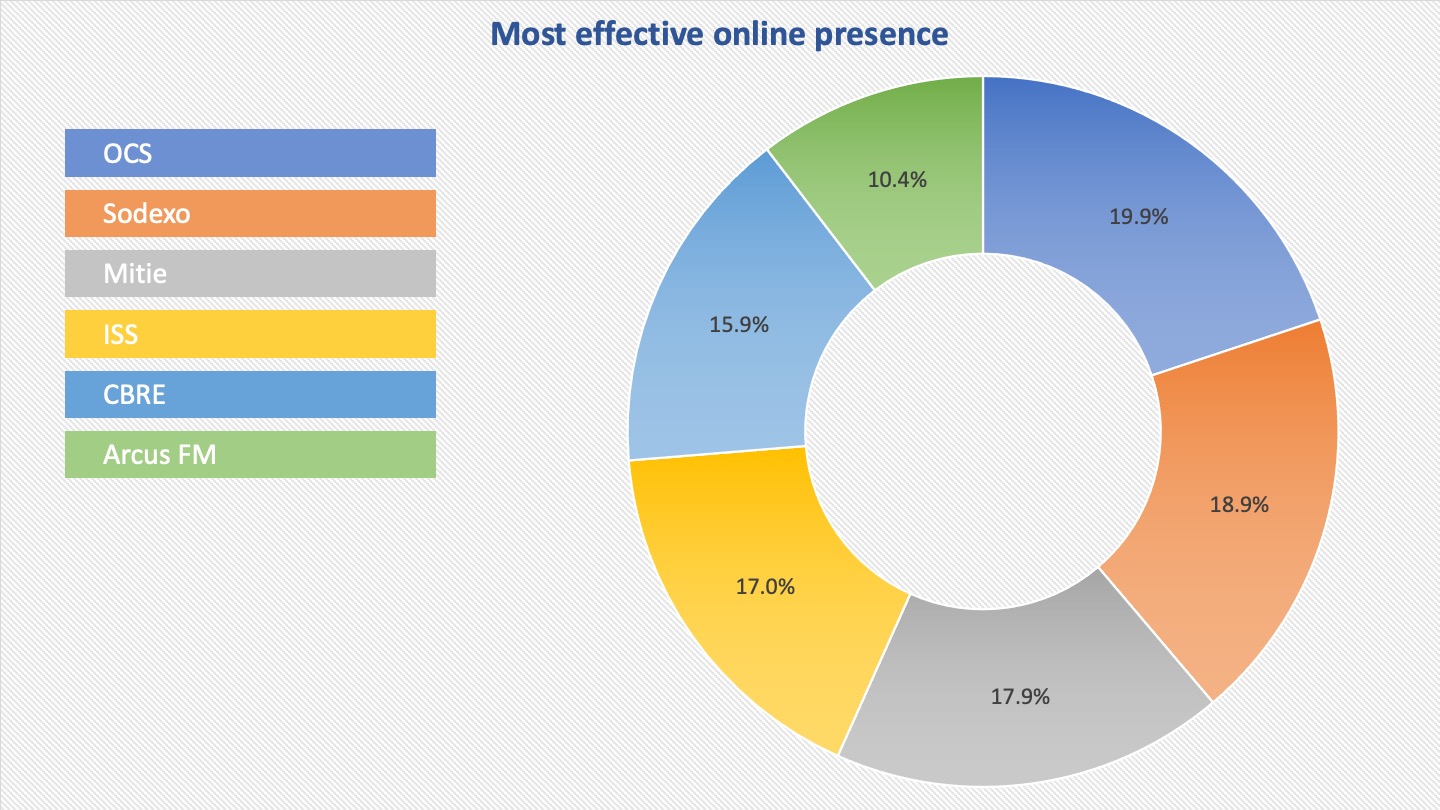
Which FM brand has the most effective online presence?
In facilities management, where relationships, reliability and trust are everything, brand plays a fundamental role in how we connect with clients, employees and our supply chain. At Macro, our brand represents the standards we set for ourselves, the promises we make to clients and the way we collaborate with suppliers who share our values and commitment to excellence. A strong, trusted brand opens doors, helping us secure partnerships, attract forward-thinking suppliers and build long-term relationships based on shared ambition. It’s also central to attracting and retaining the best talent. In a competitive market, people want to work for an organisation with a clear purpose, strong values and a reputation for doing the right thing. Our brand reflects our culture, our focus on developing people and our ambition to be a positive force in the industry.
But brand can’t stand still. The FM market is evolving rapidly, shaped by new technologies, AI, sustainability targets and shifting client expectations. Our brand must keep pace, staying relevant, authentic and aligned with the future of FM. As the industry becomes more integrated, predictive and focused on creating people-centric, sustainable spaces, a trusted, recognisable brand becomes even more critical. It gives our clients, our people and our supply chain confidence as we deliver innovative solutions and navigate change together. For Macro, a strong brand isn’t just about who we are today; it’s the foundation that futureproofs us for where the industry is going.
Ross Abbate, CEO, Macro

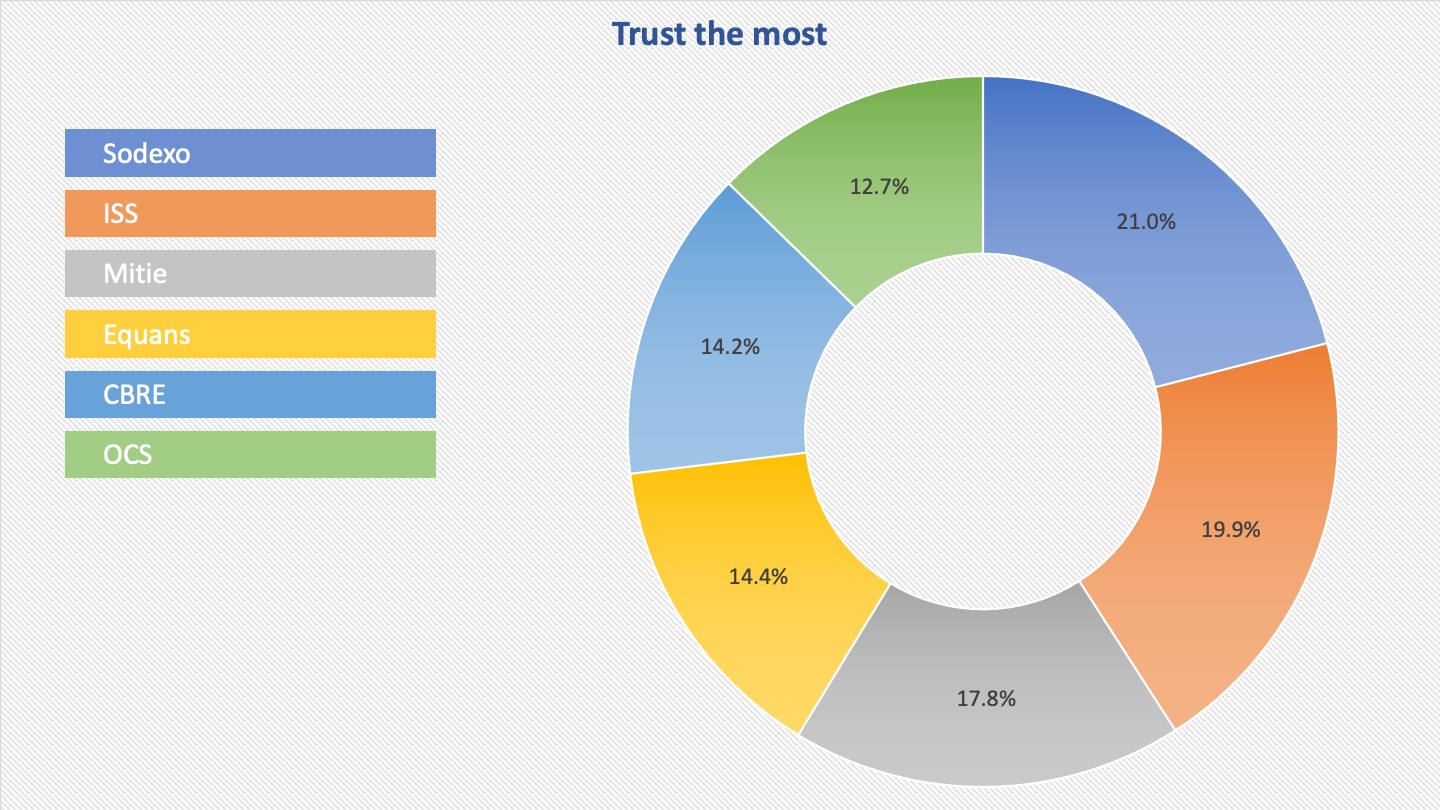
Which FM brand would you trust the most?
Which FM service provider would you identify as up & coming - who are ‘the challengers’ to watch in the future?
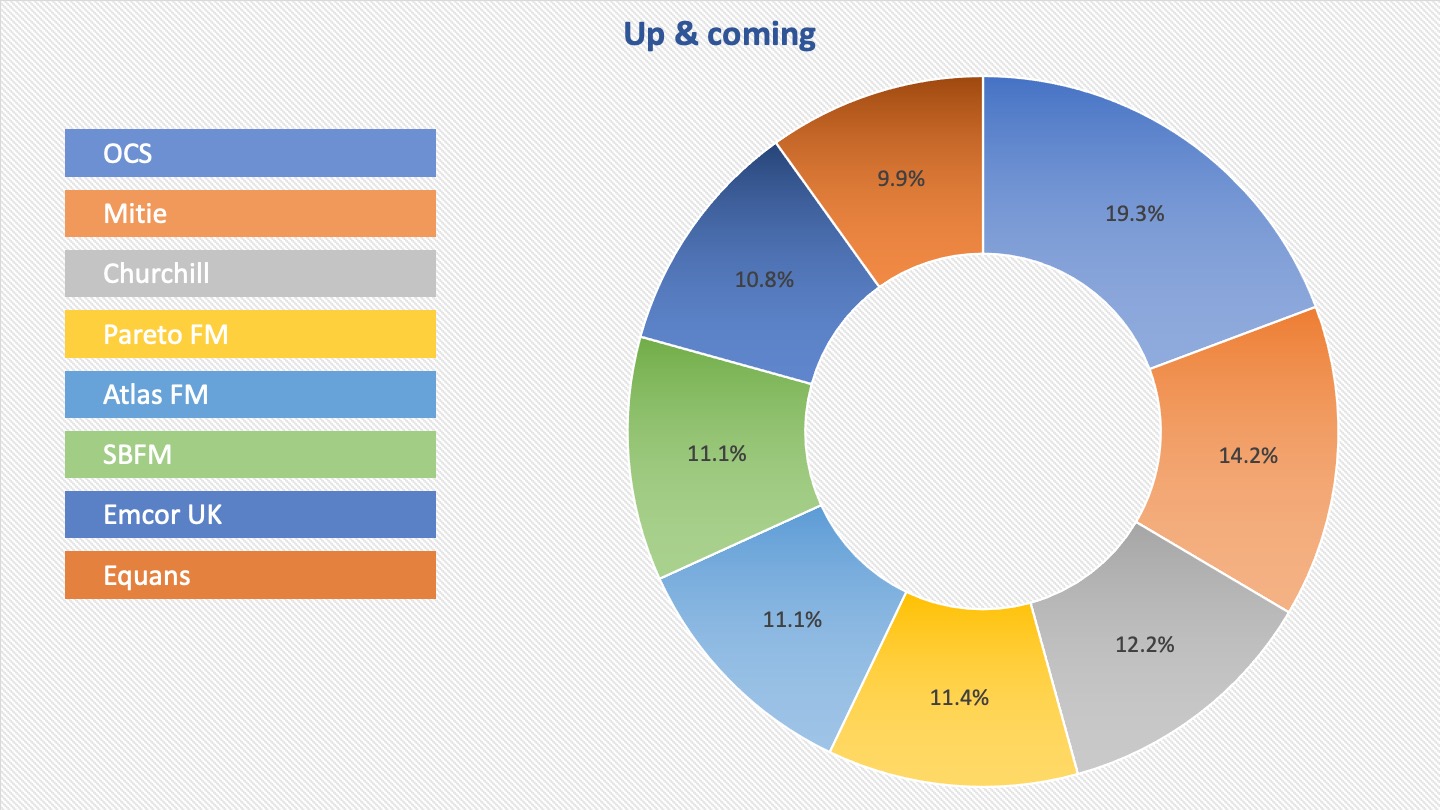
Though we had in mind lesser known or even unknown names coming into the mainstream marketplace with this question, it is clear from the companies cited that respondents were focused on businesses that are doing something different or moving on within a different set of circumstances – for instance, OCS and Equans following mergers and rebranding, Atlas and Churchill perhaps following their moves to employee ownership, or EMCOR with leadership and structural changes in place.
Brand in FM is shaped by what people see every day: how you show up on site, how you work with clients and how you treat your teams. As a third-generation family-owned company, we’ve always taken that seriously. Our legacy is rooted in family values like trust, integrity and looking after our people, and it’s shaped how we’ve worked from the beginning: delivering on our promises and going beyond what’s expected.
Our brand guides how we run the business and how people experience working for Andron. It sets expectations for how we work with clients and with each other, and helps attract people who want to be part of a company that takes pride in what it delivers. Many of our team members have built long careers with us, growing and developing alongside the business. That reflects the strength of our brand internally: a shared understanding of what Andron stands for.
Brand has been important to us since our earliest days as a father-and-son cleaning business, and it’s something we work hard to protect through the choices we make and the way we deliver our work every day. That consistency in how we work, how we treat people and what we stand for is what’s earned us our reputation, and it’s what continues to define our brand today.
Cheryl Stewart, CEO, Andron FM

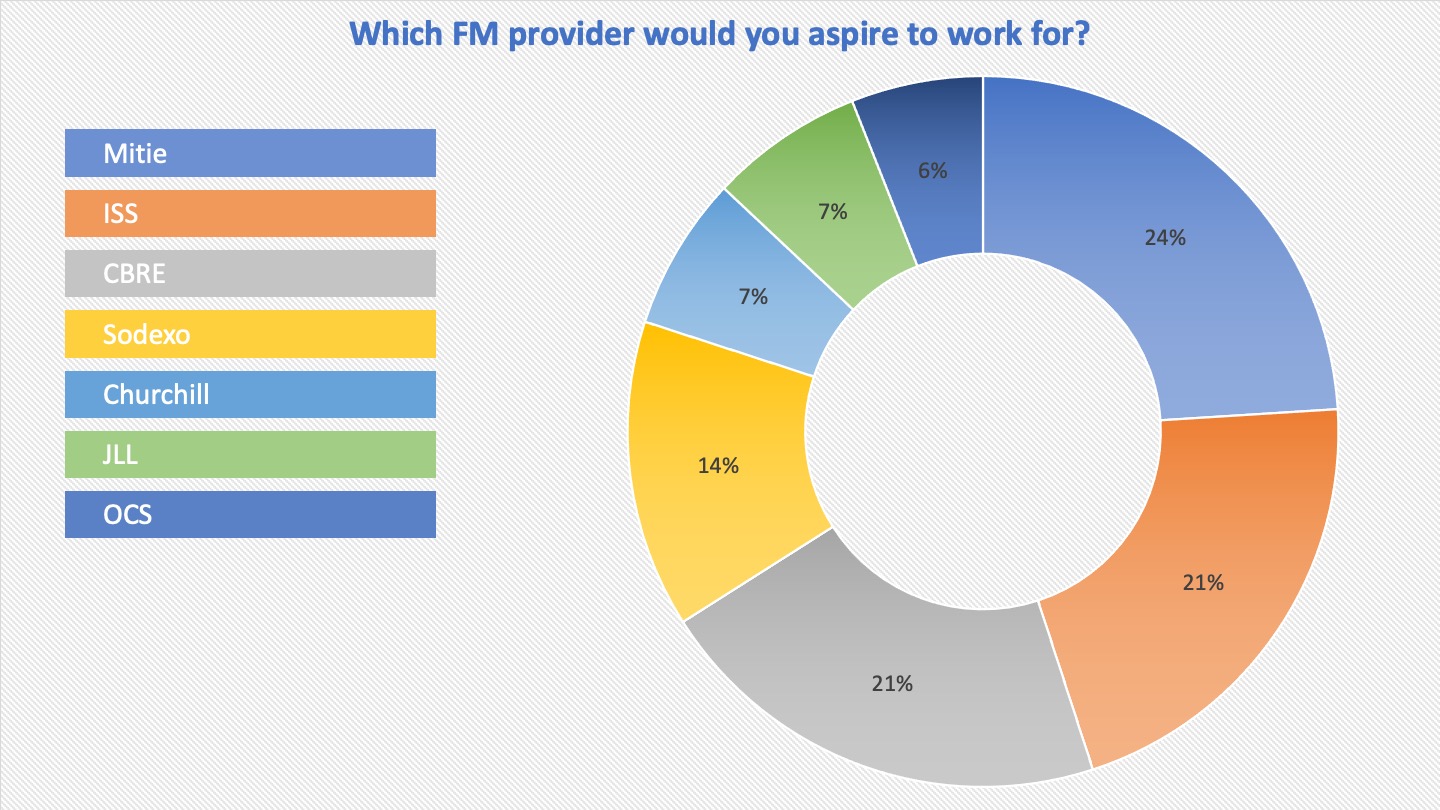
As a final check in this section on brand perception, we asked respondents to tell us which FM provider they would aspire to work for if they didn’t work for their current employer. Again, a good 20+ companies were named. Limiting those to the most frequently named produced the following results.
In the dynamic integrated FM world, the strength of our brand is a testament to our commitment to delivering service excellence in food, workplace and complex FM services with leadership, innovation and social impact. At Sodexo, our brand is not just a symbol; it is a promise of providing consistent quality services that benefit our clients and consumers, as well as our colleagues and communities. It's what sets us apart - the authentic and deliberate way we operate our business to create a better every day for everyone to build a better life for all.
Our brand is integral to our market positioning and communication strategy. It conveys our values, corporate culture and mission, ensuring that our colleagues and all our partners understand and trust what we do. This trust is the foundation of our long-term relationships and our ability to attract and retain top talent. Our brand fosters a sense of belonging among our more than 30,000 colleagues across the UK and Ireland, motivating and enabling them to embody our values and contribute to our collective success.
By continuously investing in our brand, we reinforce our reputation as a leader in the industry- dedicated to making every day better.
Melanie Duffett, Brand & Communications Director, Sodexo UK & Ireland

Selling the FM brand
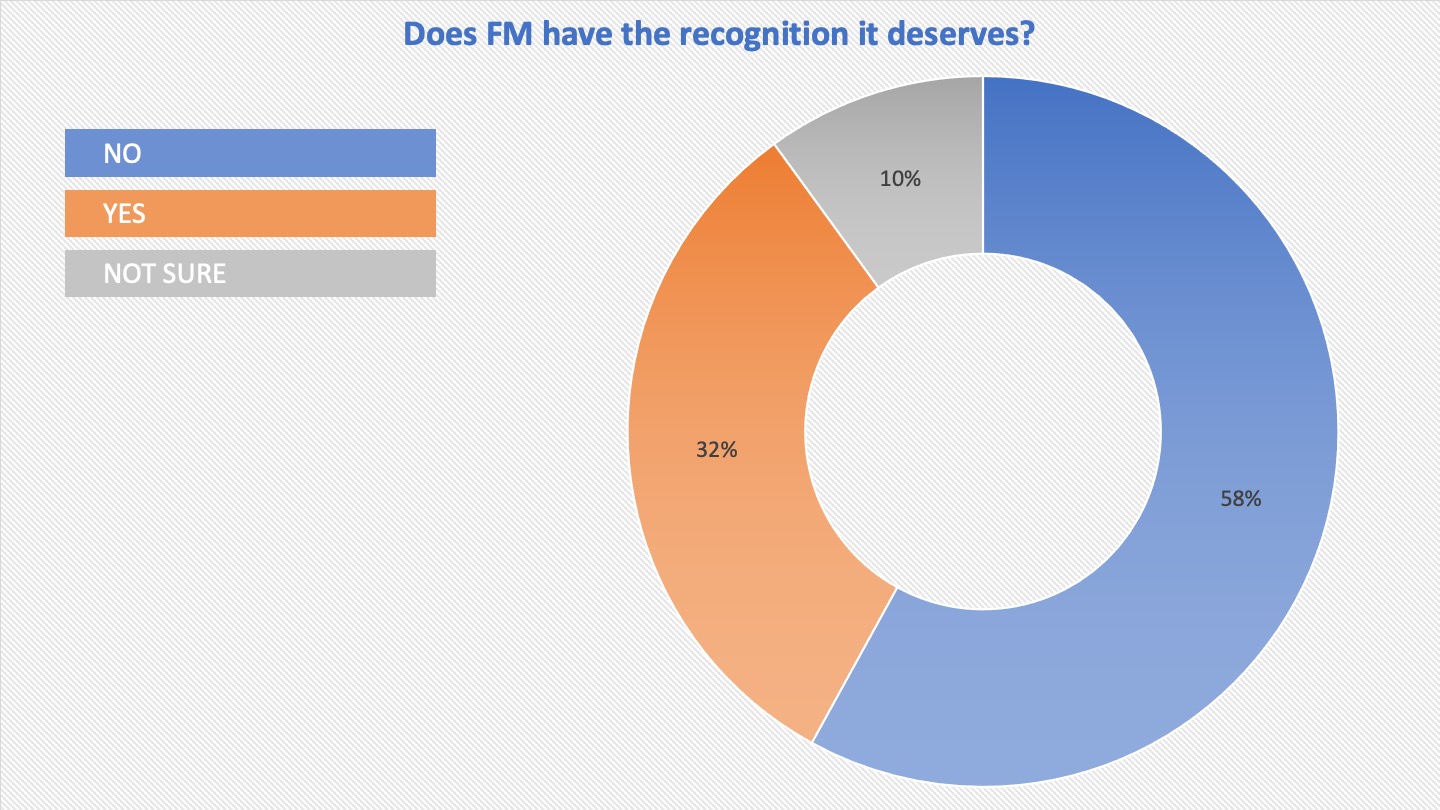
Brand is a big, complex and valuable thing that needs understanding and management. Turning to the industry as a whole, how is FM doing on brand?
The answer, as above when we looked at company implementation, is mixed.
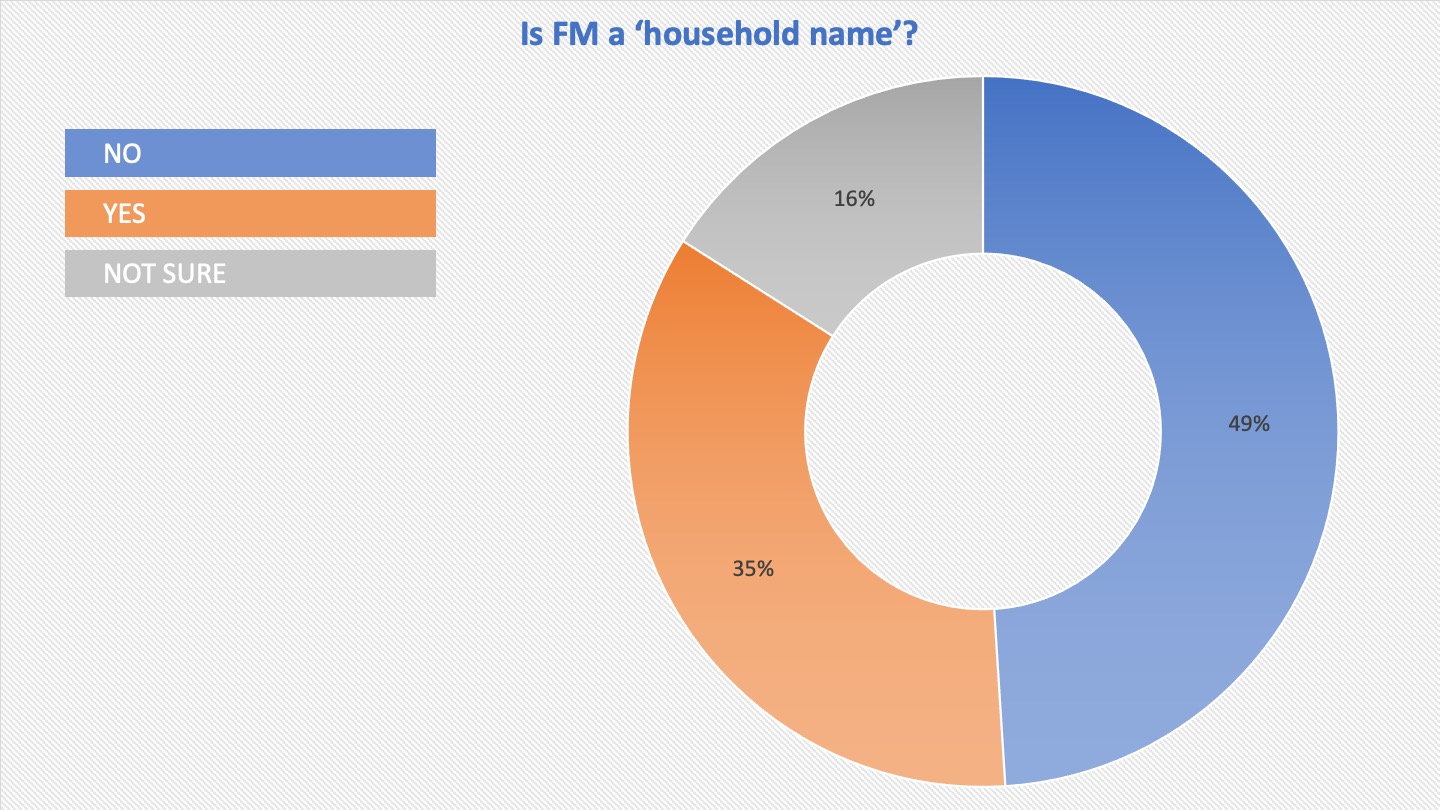
In another angle on this, there remains work to be done in fully ‘selling’ the importance and value of FM at the C-suite level, too. We asked: do you think FMʼs own brand is sufficiently strong that we as a discipline can play a significant role at this level?
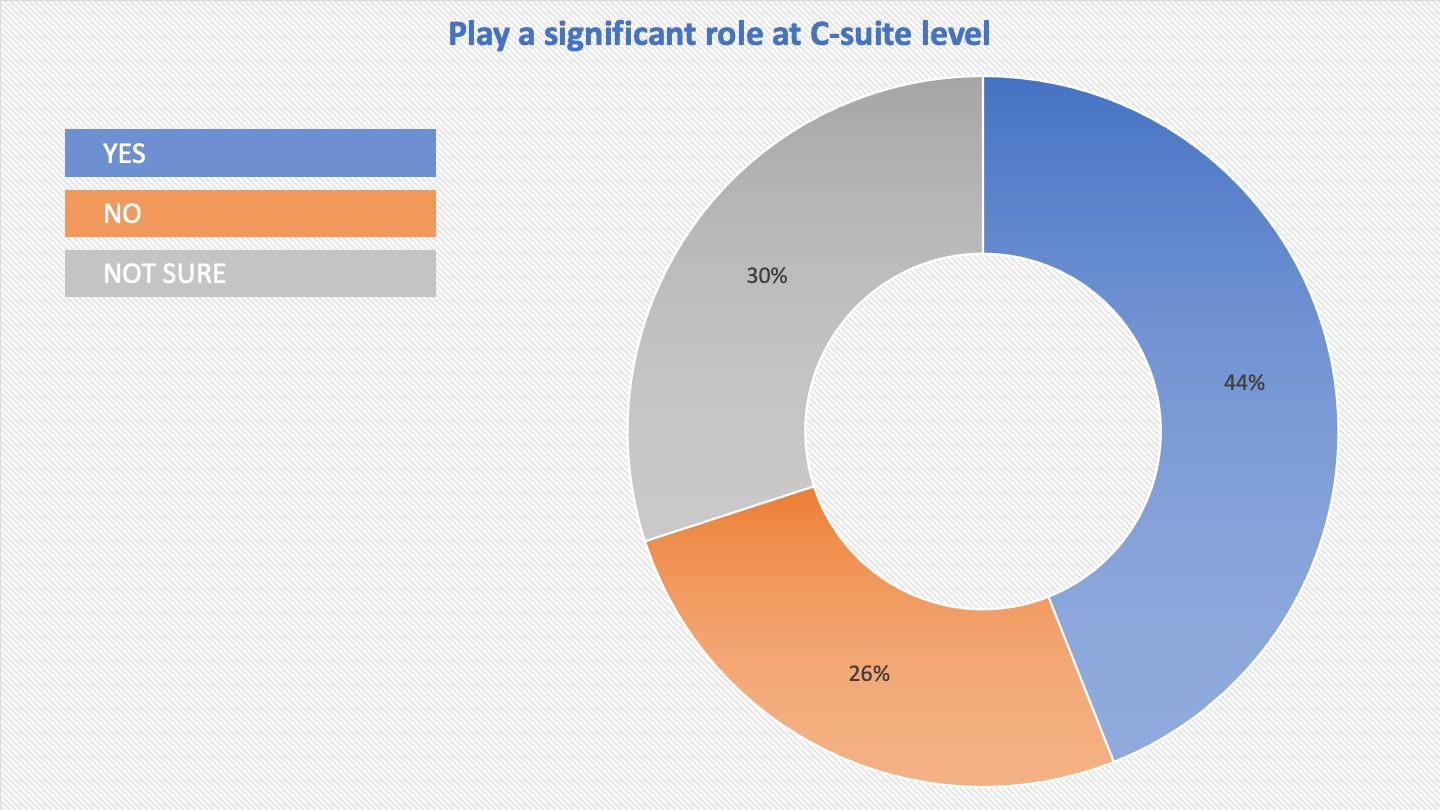
Both of these challenges, achieving solid brand recognition in the C-suite and in the wider market environment, are in a sense two sides of the same coin. They have been with the FM industry seemingly from the beginning and reflect a need for good, consistent, targeted communication.
In the FM industry, brand is all too often mistaken for little more than a logo. In reality, it’s much more than that. It is a clear expression of what an organisation stands for: its values, culture,and intent.
I find it striking how few marketing directors sit at board level in our industry. They are responsible for brand, yet often have limited influence within a corporate structure. It is also telling how rarely brand, marketing or communications are recognised in FM industry awards. That absence reflects a broader lack of brand-savviness across the sector. This is a missed opportunity, especially at a time when the conversation has shifted from buildings to people, wellbeing and experience.
It is essential that brand guidelines exist to give structure and consistency to corporate appearance, but they shouldn’t become a red-tape exercise that stifles personality. That is often a recipe to see rules broken, and a confused cocktail of creativity that ultimately dilutes brand identity.
Q3 doesn’t treat brand as a constraint, but as something flexible, expressive and human that’s a true reflection of who we are. The business embraces creativity, from animal illustrations on vehicles to a tone of voice that reflects the collaborative and confident people behind the brand. As the industry continues to evolve, Q3’s brand adopts a natural extension of its agile, personable culture that’s not afraid to stand out.
Ian Adams, Marketing Manager, Q3 Services
Respondent insights
These surveys always invite comments from respondents. Many offered thoughts and insights. The examples below indicate the recurring themes:
Many comments were clear on what brand is and does, or should do –
- It's improving and we are seeing more FMs taking this seriously.
- It’s not just about a name on a van, it’s about trust. The firms that stand out are the ones who show they care, do what they say they’ll do, and make it clear what they stand for.
- Increasingly important as the sector grows and perceived value of FM services increases.
- Making an employee feel like they belong and are part of the company is important as they are the value and foundation of the company and they will be the brand ambassadors.
Other comments were cautionary –
- I've been in-house now for about 10 years after about 20 years in outsourcing and most of the outsourcers seem to becoming the same when I'm comparing brands.
- Would like to see the providers differentiating more - feels like I'm choosing between really similar offerings most times we go to tender.
- Bad branding means you could be overlooked or completely ignored, whilst good branding means you value every aspect of your business and professional reputation. If I was in a C-suite level role, bad branding would symbolise a lack of attention to detail and would definitely sway my decision on whether to work with an FM company or not.
And still other comments came as a challenge for the industry –
- The FM industry really must improve its own brand.
- The industry has no voice and needs one urgently.
- Why do none of the industry awards include a category for marketing/brand these days?
In a crowded FM market, brand is a powerful tool for expressing who you are, what you deliver and why people should choose you. It must tell a coherent story that reflects your values and credentials, underlining your commitment to service and operational excellence. Beyond a logo, it’s a promise - one that shapes perception and encompasses the full experience you offer to customers, employees and stakeholders.
A strong brand helps build trust and customer loyalty, but it’s also key to standing out. It needs to give you a clear point of difference in a competitive landscape, both as a service provider and an employer. In an industry where skills are at a premium, it has to signal to prospective talent that this is a place where careers can grow and also help create a culture that keeps existing teams engaged and motivated. While consistency is key and it takes time to establish these credentials, brands must also evolve to ensure they continue to meet the needs of customers, colleagues and the wider market.
At Equans, our brand may be young but it’s built on a rich heritage of expertise. It also presents a vision that answers the major challenges our customers face today, while at the same time inspiring a new generation of employees with rewarding career paths. Sharing that story helps us reinforce what we stand for, highlights the positive attributes we’ve earned and builds lasting relationships.
Niel Scott, Marketing & Communications Director, Equans UK & Ireland

Respondents and methods
The FM Brands Report presents a snapshot of opinion from across the FM industry, based on an open survey hosted by i-FM. It does not pretend to be structured market research.
In response to each question in this survey multiple brands were named, typically 20 or more. The result is that many brands were cited with notable frequency but not sufficient to get them into the charts shown here.
Where the survey asks for 1st, 2nd and 3rd choices we use an established weighting procedure to reflect the ranking expressed. In addition, where variations of a name have been used we have consolidated those under a single brand – for example, OCS for Atalian Servest and Vinci for Vinci FM, Vinci Facilities and Vinci Construction. In addition, we have overlooked misspellings where it was clear what was intended (though we continue to be intrigued by the respondent who year after year spells Sodexo as Sodexho despite the fact that the company dropped the ‘h’ in 2008).
Our survey participants, as in the past, provide a good representation of the UK industry as a whole. Two-thirds of respondents work for service providers, with the remainder working in-house or as consultants. That balance is as expected, as we are asking people in the industry about the brands they see and have some familiarity with. All regions of the country are covered by the respondent spread.
As in the past, we have taken steps to control for the fact that a small number of companies each year apparently view it as a challenge to see how many votes for themselves they can achieve.